
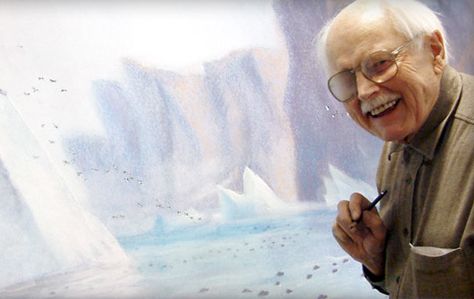
Frédéric Back
Životopis
Frédéric Back sa narodil 8. apríla 1924 v St. Arnuald, pri Saarbrücken. Býval postupne v Štrasburgu, Paríži a neskôr v Rennes, kde navštevoval Školu krásnych umení a mal možnosť študovať u Mathurina Méheuta. V roku 1948 odišiel do Kanady, kde stretol svoju budúcu manželku Ghylaine. Zosobášili sa v roku 1949, mali tri deti a odvtedy bývali v Montreale. Back bol profesorom kreslenia na Škole užitých umení a profesorom ilustrácie na Škole krásnych umení v Montreale. V roku 1952 vytvorila spoločnosť Radio-Canada televízny kanál, kde sa Back zamestnal ako výtvarník kulís a dekorácií, od r. 1962 sa začlenil do tímu umelcov v novozaloženom oddelení animácie. Back vytvoril pre túto televíznu spoločnosť ako výtvarník, animátor a režisér okolo desiatky krátkych animovaných filmov, vrátane známych diel ako Abrakadabra (1970), Stvorenie vtákov (1972), Crac! (1981), Muž ktorý sadil stromy (1987), Mohutná rieka (1993). Opakovane získal cenu Akadémie za najlepší animovaný krátky film – v roku 1982 za film Crac! a v roku 1987 za film Muž ktorý sadil stromy, vytvorený podľa známej literárnej predlohy Jeana Giona. Frédéric Back zomrel 24. decembra 2013 v Montreale.
Charakteristika ilustračnej tvorby
Frédéric Back zohral podstatnú úlohu v technologickom a výtvarnom vývoji animačnej tvorby v prostredí Radio-Canada. V rýchlo sa rozvíjajúcom médiu sa stala nevyhnutnou potreba pohybu v kresbách. Back vypracoval všetky druhy trikov s papierovými výstrižkami, šnúrkami, pružinami, svetlami, tieniacimi stenami a zmenšenými modelmi, aby mohol použiť animáciu a zvláštne efekty v programoch. Mali úspech a stali sa takmer obchodnými značkami mnohých detských, vedeckých a kultúrnych programov Radio-Canada. Back sa vo svojej filmovej tvorbe čoraz viac sústreďoval na problémy životného prostredia. Presvedčenie urobiť niečo pre nápravu situácie bolo pre neho prvoradé. Použil silu animácie na to, aby zvýšil senzibilitu publika a pokúsil sa načrtnúť alternatívu, ktorú môže každý z nás využiť v rámci svojho vlastného prínosu k riešeniu globálneho problému.